

 See My Latest Article on HelloNation

Selling a home does not require expensive furniture, major remodeling, or a professional staging package. In Zanesville, OH, thoughtful cleaning, rearranging, and small repairs can help buyers understand how rooms function and notice the home’s strengths.
Staging is not about hiding a property’s flaws or creating an unrealistic appearance. It is about presenting the home in a clean, comfortable, and easy-to-understand condition so prospective buyers can picture their own daily routines there.
What should be done first when staging a home on a budget?
Start with cleaning, decluttering, and improving the way each room is used. These steps usually provide more value than buying decorative items.
Walk through the home with a notepad and look at it as a visitor would. Pay attention to crowded surfaces, blocked walkways, strong odors, dim areas, and rooms that do not have a clear purpose.
A practical first pass includes:
- Removing excess furniture so paths feel open
- Clearing kitchen and bathroom counters
- Packing away personal collections and most family photographs
- Organizing closets and storage areas
- Washing windows and light fixtures
- Cleaning baseboards, doors, floors, and ceiling fans
- Replacing burned-out bulbs
- Addressing visible dust, pet hair, and odors
A clean home may still show signs of normal living, but it should not make buyers feel that they must complete a large cleaning project before moving in.
How can furniture make rooms look larger?
Furniture placement affects how spacious and useful a room appears. Large pieces pushed against every wall can make a room feel crowded, while too little furniture may make it difficult for buyers to understand the room’s purpose.
Remove furniture that blocks windows, doorways, heating vents, or natural walking paths. In a living room, arrange seating around a clear focal point such as a fireplace, window, or central conversation area. In a bedroom, position the bed so it is easy to walk around and does not interfere with closet or bathroom access.
If a room serves several purposes, define each area without making the space feel divided. For example, a dining corner can contain only a small table and chairs, while a spare room may work better as a simple office or guest room rather than a storage area.
Do not move heavy furniture alone, especially on stairs or uneven flooring. Safety should take priority over staging.
Which low-cost changes improve a home’s appearance?
Small visual improvements can make a home feel better maintained without changing its basic character. Focus on items buyers see immediately and use frequently.
Useful budget-conscious updates may include:
- Replacing mismatched or heavily worn switch plates
- Tightening loose cabinet handles and door hardware
- Touching up scuffed walls with matching paint
- Replacing damaged caulk around sinks and tubs
- Cleaning grout and polishing plumbing fixtures
- Updating worn curtains with simple, neutral window coverings
- Adding fresh, washable towels in bathrooms
- Using matching hangers in the most visible closets
- Removing outdated magnets, notes, and decorations from the refrigerator
Painting an entire home is not always necessary. Concentrate on high-traffic areas, dark hallways, strongly colored rooms, and walls with noticeable marks. Neutral, light-reflective colors can help spaces appear brighter, but patching and cleaning may be enough if the existing paint is in reasonable condition.
How should homeowners stage a small kitchen?
A kitchen should look clean, functional, and easy to maintain. Buyers generally need to see available counter space and understand how the room can support everyday cooking.
Store most countertop appliances, extra dishes, rarely used utensils, and bulky containers. Leave only a few useful or attractive items in place, such as a cutting board, a bowl of fresh produce, or a simple coffee setup. Avoid filling every open surface.
Inside cabinets and pantries, remove enough items to show storage capacity. Group similar items together and avoid allowing shelves to appear overstuffed. Clean the range, refrigerator exterior, sink, backsplash, and cabinet fronts carefully because these areas often receive close attention during showings.
If an appliance is old but working, staging cannot make it appear new. It can, however, make the surrounding kitchen look orderly and well cared for.
What should be done in bedrooms and bathrooms?
Bedrooms should feel restful and uncluttered. Make beds neatly, reduce the number of decorative pillows, and remove clothing from floors, chairs, and exercise equipment. Keep nightstands mostly clear and store personal medications and valuables securely.
In bathrooms, remove toiletries from counters and shower edges. Use clean towels, close the toilet lid, and empty wastebaskets before showings. Check for dripping faucets, slow drains, loose toilet seats, and visible mildew. These small issues can make buyers worry about larger maintenance problems.
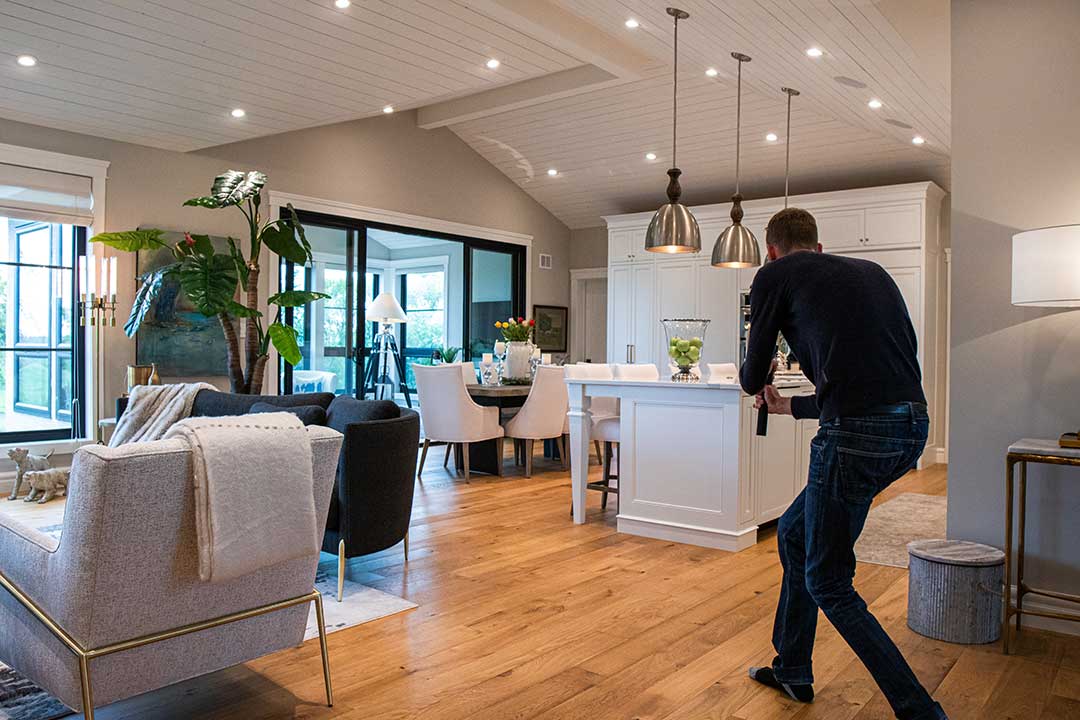
Homes in the area may experience seasonal humidity, freezing temperatures, and muddy conditions during parts of the year. Good ventilation, dry bathroom surfaces, clean entry areas, and working exhaust fans help the home show better in changing weather.
How can natural light and lighting improve staging?
Lighting can change how buyers perceive room size, cleanliness, and condition. Open curtains and blinds before a showing, clean the glass, and make sure window coverings operate properly.
Use bulbs with similar color temperatures throughout adjoining rooms. A mix of very yellow and very blue light can make the home feel inconsistent. Add a lamp to a dark corner if one is already available, but avoid running extension cords across walkways.
Turn on lights in darker rooms, hallways, basements, and entry areas before visitors arrive. During shorter winter days, this can be especially helpful. Keep exterior lights working as well, since buyers may view homes in late afternoon or during low-light conditions.
What outdoor staging is worth doing?
The outside of the home creates the first impression, but expensive landscaping is rarely required. Clear leaves, branches, toys, and unused containers from porches, walkways, and entrances.
Mow or trim grass when conditions allow, remove weeds from highly visible areas, and sweep hard surfaces. In colder months, keep steps and sidewalks reasonably clear of snow, ice, and debris. Check that railings are secure and that house numbers or entry lighting are easy to see.
A simple entrance can look welcoming with a clean doormat, a cleared doorway, and a working light. Avoid using too many seasonal decorations, especially if they distract from the home’s exterior.
What should be packed away before listing photos or showings?
Items that are useful to the household may still make rooms appear smaller or more personal. Pack away anything that creates visual noise or raises privacy concerns.
This may include:
- Excess seasonal clothing
- Large collections
- Important documents
- Prescription medications
- Jewelry and small valuables
- Spare keys and financial records
- Children’s school papers
- Pet food, litter boxes, and heavily used toys
- Political, religious, or highly personal displays
Storage units, attics, garages, and basements should not be packed so tightly that buyers cannot see their condition or capacity. It is better to remove unnecessary items from the home entirely than to move clutter from one room into another.
What staging mistakes should be avoided?
The most common mistake is spending money on decoration before completing basic maintenance and cleaning. New pillows cannot compensate for a strong odor, a leaking faucet, or a walkway blocked by furniture.
Other problems include using overpowering air fresheners, covering every surface with decorations, leaving all closets full, and arranging furniture only for photographs rather than comfortable movement. Buyers need to experience the home in person, not just see carefully framed rooms online.
Staging should also remain honest. Do not conceal water damage, structural concerns, unsafe wiring, broken heating equipment, or other significant defects with rugs, furniture, or paint. Safety and accurate disclosure matter more than appearance.
A modest budget can go a long way when it is directed toward cleanliness, open space, working features, and clear room purpose. The goal is a home that feels cared for, easy to navigate, and ready for the next household to imagine living there.