

 See My Latest Article on HelloNation
Which neighborhood features can increase property value?
In Zanesville, OH, property value is shaped by more than the condition of one house. Buyers also evaluate how a neighborhood functions day to day: whether streets are easy to navigate, outdoor spaces are usable, drainage is dependable, and nearby homes appear cared for.
The most valuable neighborhood features usually provide one or more of these benefits:
- Convenience for daily routines
- Lower maintenance concerns
- Greater safety and comfort
- Better long-term stability
- Stronger appeal to a broad range of buyers
No single feature guarantees a higher sale price. Value depends on the property itself, recent comparable sales, market conditions, and how well the neighborhood’s features are maintained.
Do walkable streets and sidewalks affect home value?
Yes. Sidewalks, safe crossings, and connected streets can make a neighborhood more useful for people of different ages and household types. Buyers may value the ability to walk to parks, schools, nearby services, or a neighbor’s home without relying entirely on a vehicle.
A sidewalk is more valuable when it is:
- Continuous rather than interrupted by missing sections
- In reasonably good condition
- Separated from moving traffic where possible
- Cleared of snow, leaves, and other seasonal hazards
- Connected to useful destinations
Older neighborhoods may have a mix of sidewalks, narrow streets, alleys, and established trees. These features can create a strong sense of place, but uneven pavement or poor drainage may reduce their benefit. A well-connected layout generally matters more than the mere presence of concrete paths.
How do parks, trails, and public open spaces influence value?
Accessible outdoor space can make a neighborhood more attractive, especially when it is clean, safe, and maintained. Parks with playgrounds, courts, walking paths, and open lawns give residents places to exercise, gather, and spend time outside without maintaining a large private yard.
The strongest value comes from usable access rather than simple proximity. Buyers may ask:
- Can the space be reached safely on foot?
- Is it appropriate for children, older adults, or pets?
- Does it offer shade and seating?
- Are paths usable in different seasons?
- Is the area well maintained?
A park directly beside a home is not automatically an advantage. Noise, event activity, parking demand, or increased foot traffic can matter to some households. Buyers often prefer a practical balance: convenient access without excessive disruption.
Does neighborhood appearance affect property value?
Neighborhood appearance can influence a buyer’s first impression and expectations about long-term stability. Consistent maintenance does not mean every home must look identical. It means the area generally shows signs of care.
Helpful features include:
- Well-kept yards and visible landscaping
- Maintained public rights-of-way
- Functional street lighting
- Limited accumulation of litter or abandoned items
- Homes with reasonably maintained roofs, siding, porches, and driveways
- Clear property boundaries and accessible addresses
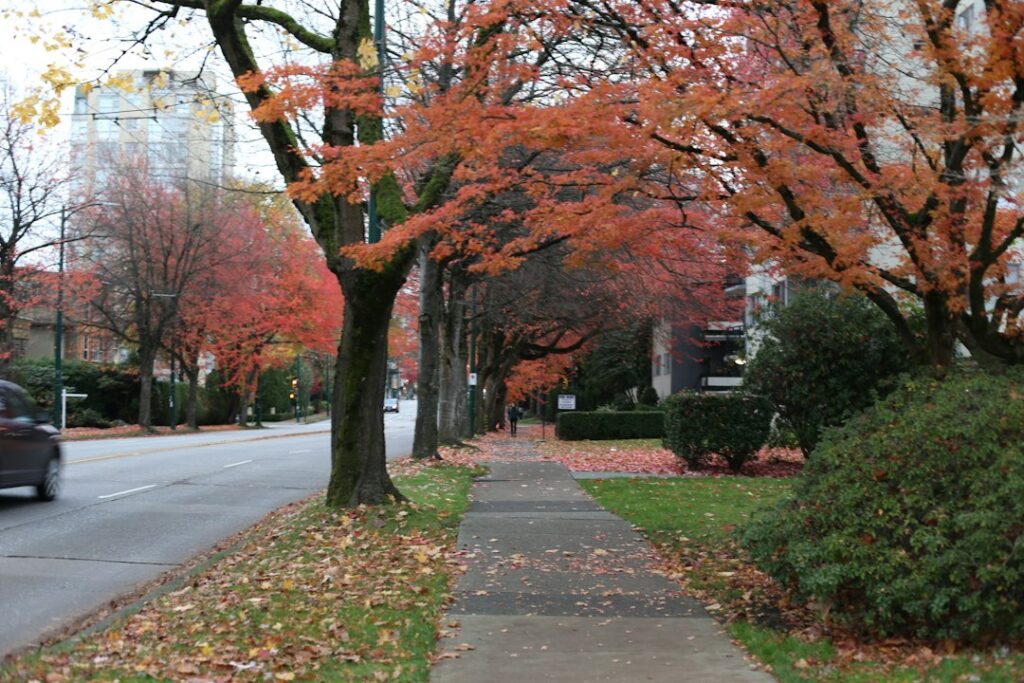
Tree-lined streets can add character and shade, but mature trees require regular attention. Overgrown branches, damaged roots, or trees too close to utility lines may create safety and maintenance concerns. Attractive landscaping is most useful when it is appropriate for the local climate and does not create drainage problems.
Can reliable drainage and flood protection affect value?
Yes. Water management is an important neighborhood feature in areas that experience heavy rain, snowmelt, changing temperatures, and older drainage systems. Buyers often pay close attention to standing water, basement dampness, flooded roads, and the condition of ditches, culverts, storm drains, and retaining structures.
Positive signs include:
- Streets that drain without frequent ponding
- Gutters and storm drains that appear functional
- Sloped yards that direct water away from foundations
- Stable stream banks and retaining walls
- Clear information about floodplain boundaries and past water issues
A home near a creek, river, steep slope, or low-lying roadway may require closer review. Flood risk is not always obvious from a brief visit, particularly during dry weather. Property owners should understand whether insurance, building restrictions, or maintenance responsibilities may apply.
Drainage improvements can support neighborhood value, but poorly designed grading or blocked water routes can create problems for several properties at once.
Do quiet streets and traffic patterns make a difference?
Traffic conditions are a major part of how buyers judge comfort and livability. Many households prefer streets with lower speeds, limited cut-through traffic, and enough parking for residents and visitors.
Features that may improve appeal include:
- Clearly marked speed limits and crossings
- Traffic-calming elements where appropriate
- Good visibility at intersections
- Adequate street lighting
- Limited heavy vehicle traffic near homes
- Streets that are easy to access during winter weather

A home on a main road may offer easier access but also experience more noise, headlights, congestion, and safety concerns. A home on a quiet street may be more appealing to some buyers, although narrow roads, limited parking, or difficult winter access can offset that benefit.
How do utilities and neighborhood infrastructure affect value?
Reliable infrastructure is often overlooked because it is most noticeable when something fails. Buyers may consider the condition and dependability of roads, water service, sewer systems, electric service, internet access, streetlights, and trash collection arrangements.
Infrastructure supports property value when it reduces uncertainty. Warning signs can include repeated utility interruptions, frequent road repairs, poor street drainage, exposed service problems, or unclear responsibility for maintaining shared features.
In older areas, buyers may also want to understand whether nearby properties use public utilities or private systems, whether easements affect the land, and whether alleys or shared drives receive regular maintenance. These details may not change the appearance of a neighborhood, but they can affect ownership costs and resale appeal.
Are historic character and architectural consistency valuable?
They can be. Neighborhoods with distinctive older homes, established street patterns, mature landscaping, and consistent architectural character may attract buyers who value craftsmanship and identity.
Historic character is most beneficial when properties are maintained and renovations respect the scale of the surrounding homes. Original porches, brickwork, trim, windows, and lot layouts can contribute to appeal. However, older housing may also involve higher maintenance needs, outdated systems, limited parking, or restrictions affecting exterior changes.
Architectural consistency does not require identical houses. A neighborhood can retain character while allowing reasonable updates, additions, accessibility improvements, and energy-efficiency work.
What neighborhood features can lower property value?
Some features may reduce appeal when they create ongoing cost, uncertainty, or disruption. Examples include:
- Persistent flooding or drainage failures
- Poor street conditions
- Heavy traffic or excessive noise
- Limited lighting or unsafe pedestrian routes
- Neglected vacant properties
- Inadequate parking
- Unstable slopes or retaining walls
- Frequent nuisance activity
- Restrictions or easements that limit reasonable property use
The effect varies by buyer. A busy road may matter less to someone who prioritizes easy vehicle access, while limited parking may be a serious concern for a larger household.
Which features should homeowners evaluate before buying?
A neighborhood should be viewed at different times and in different weather conditions. A daytime visit may not reveal evening traffic, parking pressure, drainage problems, or lighting limitations.
Before making a decision, buyers can observe:
- Street activity during morning, afternoon, and evening
- Water flow after rain
- Snow and ice conditions during winter
- Noise from roads and nearby properties
- Sidewalk and pavement quality
- Parking availability
- Condition of nearby homes and public spaces
- Distance to parks, daily services, and major routes
- Floodplain, zoning, and permit considerations
Neighborhood features tend to support value when they are useful, dependable, and maintained over time. For property owners, the most practical focus is often not adding luxury amenities but protecting the qualities buyers consistently notice: safe access, sound infrastructure, manageable drainage, attractive public spaces, and a stable residential setting.